
Imagine a world where every child, regardless of their abilities, has access to the tools they need to succeed in education. For millions of students with special needs, this dream is more than just a goal it’s a necessity. Accessible education is not just a privilege; it’s a right that opens doors to brighter futures for all.
Special education is designed to meet the unique needs of students who require additional support due to physical, emotional, intellectual, or learning disabilities. Its purpose is to provide individualized learning opportunities that cater to each student’s strengths and challenges, ensuring they have the same chance at success as their peers. But to achieve this, parents, educators, and students need access to the right resources. From assistive technology to support networks and specialized learning materials, these tools can make a world of difference in the journey toward inclusive education. In this article, we will explore essential resources that empower and enrich the lives of students in special education, helping them thrive in both the classroom and beyond.
Understanding Special Education
Special education is a specialized branch of education designed to accommodate students who face unique challenges in their learning due to physical, intellectual, emotional, or developmental disabilities. These disabilities may include autism spectrum disorders, attention-deficit/hyperactivity disorder (ADHD), hearing or visual impairments, learning disabilities, and more. The goal of special education is to provide tailored support and resources that help these students achieve their full potential in an academic setting.
At the heart of special education is the Individualized Education Program (IEP). IEPs are customized learning plans developed specifically for students with disabilities, outlining goals, accommodations, and necessary services to meet their unique needs. Another crucial tool is the 504 Plan, which provides accommodations to ensure students with disabilities can access general education curricula without discrimination. These plans help bridge the gap between a student’s needs and the resources required to ensure they thrive in school.
Unlike mainstream education, which follows a one-size-fits-all approach, special education prioritizes individualized instruction, adapting teaching methods, materials, and assessments to fit each student’s abilities. This personalization is essential to providing equitable education for students who require additional support.
Key Resources for Special Education
Technology Tools
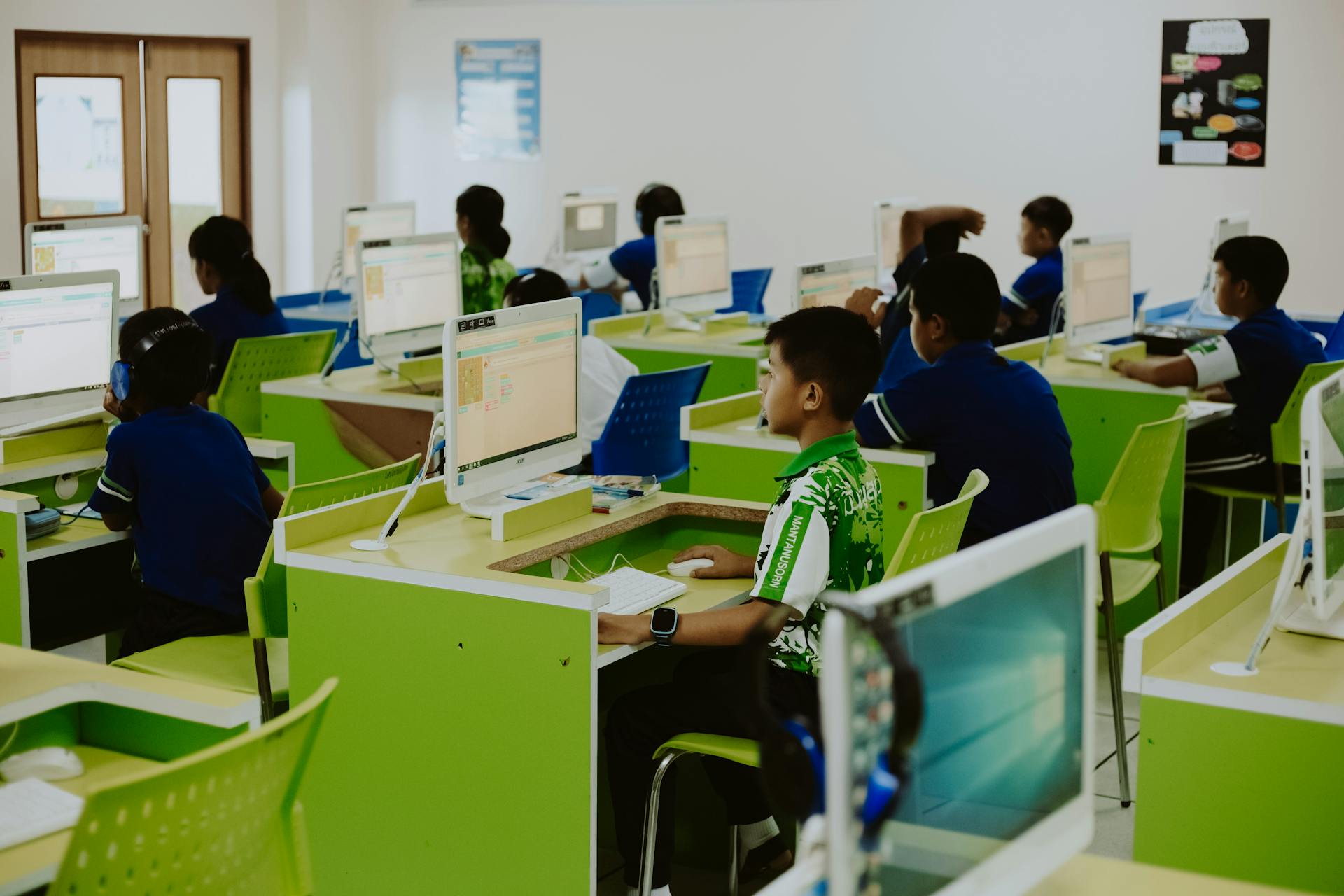
The rapid advancement of technology has opened new avenues for supporting students with special needs. Assistive technology, such as screen readers for visually impaired students and speech-to-text software for those with writing challenges, enables students to engage in the learning process more effectively. Educational apps specifically designed for students with disabilities—such as those featuring interactive visual aids for non-verbal learners—can also enhance engagement and understanding in the classroom.
Books and Literature
Books that help parents and educators better understand disabilities and effective teaching strategies are invaluable. Works like The Out-of-Sync Child by Carol Kranowitz provide insight into sensory processing disorder, while The Special Educator’s Survival Guide by Roger Pierangelo offers practical tips for managing special education classrooms. These resources equip adults with the knowledge and strategies necessary for fostering growth in special needs students.
Organizations and Support Networks
Several national and international organizations offer extensive resources for special education. The Council for Exceptional Children (CEC) and Autism Speaks are examples of leading groups that provide up-to-date research, training, and advocacy for educators and families. Additionally, these organizations often offer guidance on legal rights and tools for supporting students both academically and emotionally.
Online Learning Resources
With the increasing reliance on digital education, many websites and platforms provide specialized content for students in special education. Sites like Do2Learn and Understood.org offer lesson plans, behavior management strategies, and adaptive learning tools, empowering educators and parents with materials designed specifically for students with diverse learning needs.
Strategies for Educators in Special Education
To effectively teach special needs students, educators must adopt several strategies tailored to their unique learning requirements. Differentiated instruction, where lesson plans are adjusted based on the abilities and strengths of each student, allows educators to reach learners at their own pace. Additionally, collaborative learning—working with a team of other teachers, specialists, and parents—ensures a holistic approach that benefits the student both academically and socially.
An inclusive classroom environment is essential. Creating safe spaces where every student feels valued and supported, regardless of their abilities, fosters a sense of belonging and encourages active participation. Educators must focus on building a community where differences are not just accepted but celebrated.
Resources for Parents of Special Needs Students
Parents play a crucial role in supporting their children with special needs, and numerous resources are available to assist them in this journey. Support groups and forums provide a space for parents to connect, share experiences, and offer advice. These communities can be a vital source of emotional and practical support.
At home, learning resources such as educational games and adaptive equipment can help reinforce classroom learning in a comfortable environment. Financial aid, including scholarships, grants, and access to legal resources, is also available to help families manage the additional costs often associated with special education.
Government and Legal Support
Laws like the Individuals with Disabilities Education Act (IDEA) ensure that students with disabilities have access to free and appropriate public education tailored to their individual needs. This landmark legislation requires schools to provide necessary services and accommodations, and protects students from discrimination. Families can also explore resources such as Special Needs Trusts and advocacy organizations that guide them in navigating the complexities of securing support.
Conclusion
The journey through special education is deeply enriched by the availability of diverse and accessible resources. These tools not only enhance learning outcomes for students with special needs but also empower educators and parents to provide the best possible support. It is crucial for everyone involved to explore and leverage these resources to ensure that every student, regardless of their challenges, has the opportunity to thrive.
Frequently Asked Questions (FAQs)
1. What is the difference between an IEP and a 504 Plan?
An Individualized Education Program (IEP) is a comprehensive plan tailored for students with disabilities that outlines specific educational goals, accommodations, and services they require to succeed in school. It is governed by the Individuals with Disabilities Education Act (IDEA) and is designed for students who need specialized instruction.
A 504 Plan, on the other hand, is part of the Rehabilitation Act and focuses on ensuring students with disabilities have equal access to education. It provides accommodations, but does not necessarily include specialized instruction.
2. How do I know if my child is eligible for special education?
Eligibility for special education is determined through an evaluation process conducted by the school or a licensed professional. This assessment identifies whether a child has a disability that impacts their ability to learn in a traditional classroom environment. If eligible, the school will work with the parents to develop an IEP or 504 Plan.
3. What types of disabilities are covered under special education?
Special education covers a broad range of disabilities, including but not limited to:
- Learning disabilities (e.g., dyslexia)
- Intellectual disabilities
- Emotional or behavioral disorders
- Autism spectrum disorders
- Speech or language impairments
- Physical disabilities (e.g., cerebral palsy)
- Sensory impairments (e.g., blindness, deafness)
- Attention-deficit/hyperactivity disorder (ADHD)
4. What assistive technologies are available for special needs students?
There are numerous assistive technologies that support special needs students, such as:
- Screen readers for visually impaired students
- Speech-to-text software for students with writing or motor difficulties
- Augmentative and Alternative Communication (AAC) devices for non-verbal students
- Audiobooks and digital readers for students with dyslexia
- Adapted keyboards and input devices for students with physical disabilities
5. How can parents support their child’s special education at home?
Parents can support their child’s special education at home by:
- Using adaptive learning tools like educational apps, visual aids, and interactive games.
- Creating a consistent and structured learning environment.
- Collaborating regularly with teachers to reinforce classroom learning.
- Engaging in support groups and online forums for guidance and emotional support.
- Utilizing available financial resources like scholarships and grants for special education services.
6. What are some recommended organizations for special education resources?
Several organizations provide valuable resources and support for parents, educators, and students:
- Council for Exceptional Children (CEC)
- Autism Speaks
- National Center for Learning Disabilities (NCLD)
- The Arc (for individuals with intellectual and developmental disabilities)
- Learning Disabilities Association of America (LDA)
7. What legal rights do children with disabilities have in education?
Under the Individuals with Disabilities Education Act (IDEA), children with disabilities are entitled to a free and appropriate public education (FAPE) that meets their individual needs. The Americans with Disabilities Act (ADA) and Section 504 of the Rehabilitation Act also protect students from discrimination and ensure equal access to education.
8. How can educators create an inclusive classroom environment?
Educators can foster an inclusive classroom by:
- Using differentiated instruction tailored to each student’s learning style and needs.
- Encouraging collaborative learning between students with and without disabilities.
- Providing clear communication and adapting lesson plans when necessary.
- Incorporating assistive technology and tools to ensure accessibility for all students.