

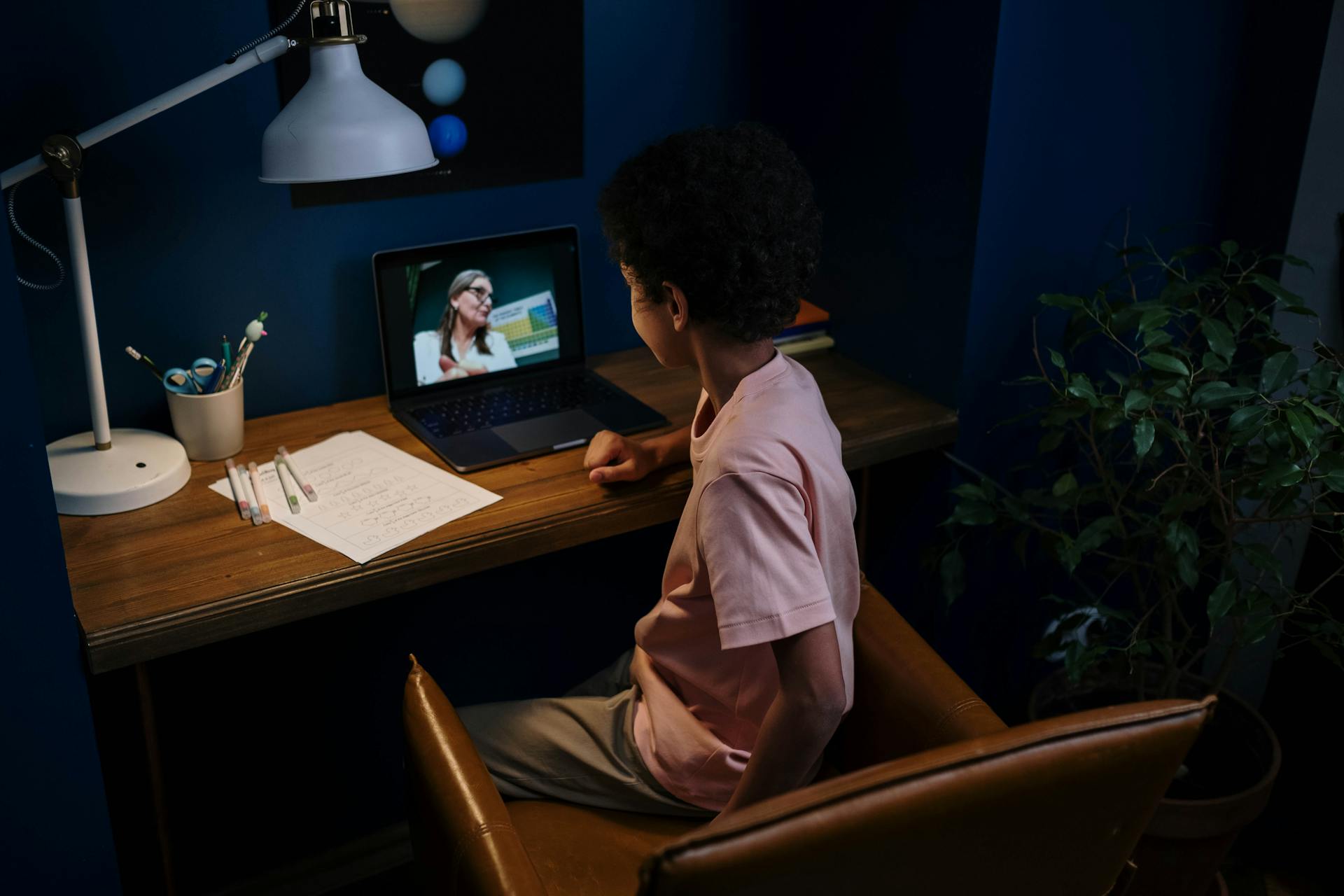
In just a few short years, the landscape of education has been irrevocably altered, with over 1.5 billion students worldwide having engaged in virtual classes due to the COVID-19 pandemic. This unprecedented shift not only opened the doors to digital learning but also transformed the way children interact with knowledge, peers, and educators. With the rise of virtual classes, kids are now able to explore a world of educational opportunities from the comfort of their homes, engaging in subjects that were once beyond their reach.
However, while virtual classes present a wealth of benefits, they also introduce a new set of challenges that both students and parents must navigate. From maintaining focus amidst distractions to ensuring social interactions, the journey through online education is filled with unique hurdles. This article will delve into how virtual classes have transformed the educational landscape for children, offering insights into the opportunities they provide as well as the challenges they pose in this new era of learning.
The Evolution of Virtual Classes
A. Historical Context
The concept of online education has its roots in distance learning, which dates back to the 19th century when correspondence courses began to emerge. However, it wasn’t until the late 20th century that technological advancements made online education a viable option for many. The introduction of the internet in the 1990s paved the way for educational institutions to offer courses via online platforms, allowing students to learn from anywhere in the world. This marked a significant shift from traditional classroom settings, where students were confined to a physical space and a set timetable. The gradual evolution towards fully virtual classrooms has redefined education, enabling personalized learning experiences and fostering independent study.
B. The Impact of the COVID-19 Pandemic
The COVID-19 pandemic acted as a catalyst for the widespread adoption of virtual classes, forcing educational institutions to pivot quickly to online learning models. Schools across the globe closed their doors, and in just a matter of weeks, millions of students transitioned to virtual classrooms. According to UNESCO, at the peak of the pandemic, over 1.5 billion learners were impacted by school closures, leading to an unprecedented surge in enrollment in online courses. This rapid shift highlighted the potential of virtual education and revealed both its advantages and challenges, setting the stage for a new era in the educational landscape.
Benefits of Virtual Classes for Kids
A. Accessibility
One of the most significant benefits of virtual classes is their accessibility. No longer are students limited by geographical constraints; a child in a remote area can now attend classes with instructors from around the world. This opens up a treasure trove of educational resources and materials, allowing students to engage with content that may not be available in their local schools. For families in underserved regions, virtual classes provide an invaluable opportunity to access quality education that may have previously been out of reach.
B. Flexibility and Convenience
Virtual classes offer unparalleled flexibility and convenience, allowing children to learn at their own pace. This is particularly beneficial for students who may struggle to keep up with the traditional classroom pace or those who excel and require more advanced material. Parents appreciate the scheduling flexibility that online learning provides, as it allows them to tailor education around their family’s unique routines and commitments. This adaptability can foster a more balanced lifestyle, where children can pursue extracurricular activities alongside their academic studies.
C. Diverse Learning Opportunities
In a virtual learning environment, students have the chance to explore specialized subjects that might not be offered in traditional schools. From coding and robotics to foreign languages and the arts, the range of courses available is vast. Moreover, virtual classes promote interaction with educators and peers from diverse backgrounds, enriching the learning experience and broadening students’ perspectives. This exposure to different cultures and viewpoints enhances their education and prepares them for a globalized world.
D. Technological Proficiency
As children engage with virtual classes, they naturally develop essential digital skills that are becoming increasingly important in today’s technology-driven society. Navigating various online platforms, utilizing educational software, and communicating effectively in a virtual environment foster a level of technological proficiency that will benefit them in future academic and career endeavors. In essence, virtual classes equip kids with the tools they need to thrive in an ever-evolving digital landscape.
Challenges of Virtual Classes
A. Screen Time Concerns
While virtual classes present numerous benefits, they also raise concerns about increased screen time. Prolonged exposure to screens can have negative health implications, including eye strain, sleep disturbances, and reduced physical activity. Parents and educators must implement strategies to help children balance their screen time, encouraging regular breaks, outdoor activities, and screen-free zones at home. By promoting a healthy relationship with technology, families can mitigate the adverse effects of excessive screen time.
B. Engagement and Motivation
Maintaining engagement and motivation in a virtual classroom can be challenging. Without the traditional structure of in-person schooling, students may find it difficult to focus on their studies. To address this, educators can employ various techniques to enhance engagement, such as utilizing interactive tools, incorporating gamification elements, and fostering collaborative projects. By making learning enjoyable and interactive, teachers can help students stay motivated and invested in their education.
C. Social Interaction and Emotional Well-being
The shift to virtual classes has limited face-to-face interactions among peers, raising concerns about social development and emotional well-being. Children thrive on social connections, and the lack of in-person interactions can lead to feelings of isolation. It’s essential for parents and educators to foster social opportunities in virtual settings, whether through group projects, virtual clubs, or informal online gatherings. Prioritizing social connections will help mitigate feelings of loneliness and support the overall emotional health of students.
Best Practices for Parents and Educators
A. Creating a Structured Learning Environment
To maximize the benefits of virtual learning, creating a structured learning environment is essential. Designating a specific space for learning can help children focus and associate that area with study time. Establishing a consistent schedule also aids in routine development, making it easier for students to transition into learning mode each day.
B. Encouraging Active Participation
Active participation is key to successful virtual learning. Parents and educators should involve kids in discussions, encourage questions, and create opportunities for interactive learning experiences. Utilizing engaging platforms and tools can make lessons more dynamic and enjoyable, fostering a sense of involvement that is often lost in traditional classrooms.
C. Monitoring Progress
Regular check-ins and assessments are crucial in a virtual learning environment. Parents and educators should work together to monitor students’ progress, utilizing feedback for improvement. This collaborative approach ensures that children remain on track and feel supported throughout their learning journey.
Future of Virtual Classes for Kids
A. Technological Advancements
As technology continues to evolve, so will virtual education. Emerging technologies such as artificial intelligence (AI) and virtual reality (VR) hold the potential to create immersive learning environments, enhancing engagement and interactivity. These advancements may revolutionize how students learn and interact with content, making education even more accessible and effective.
B. Hybrid Learning Models
The future of education may see the rise of hybrid learning models that combine in-person and online education. This blended approach allows students to benefit from the social aspects of traditional classrooms while enjoying the flexibility and resources of virtual learning. By integrating both modalities, educators can create a more personalized and effective learning experience for students.
Conclusion
Virtual classes have undoubtedly transformed the educational landscape for children, offering both unique opportunities and significant challenges. From accessibility and flexibility to engagement concerns, the virtual learning experience requires careful consideration from parents, educators, and students alike.
As we navigate this new era of education, it is crucial for parents and educators to embrace the virtual learning landscape while remaining vigilant about its challenges. By fostering a supportive and engaging environment, we can help children thrive in their educational journey, preparing them for a bright and promising future.
Frequently Asked Questions (FAQs)
1. What are virtual classes for kids?
Virtual classes for kids are online educational sessions that allow students to learn from home or any location with internet access. These classes can include live instruction, pre-recorded lessons, and interactive activities, covering a wide range of subjects and skills.
2. How do I choose the right virtual class for my child?
To choose the right virtual class, consider your child’s interests, learning style, and educational needs. Research various programs, read reviews, and check if they offer a trial period. Additionally, ensure that the platform provides qualified instructors and a curriculum that aligns with your child’s goals.
3. How can I keep my child engaged during virtual classes?
To maintain engagement, create a structured learning environment with minimal distractions, encourage active participation, and incorporate interactive tools or gamification elements. Regular breaks and physical activities can also help keep their energy levels high and focus intact.
4. What are the potential drawbacks of virtual learning for kids?
Some potential drawbacks of virtual learning include increased screen time, challenges with maintaining attention, limited social interactions, and feelings of isolation. It’s important to implement strategies to address these concerns, such as scheduling breaks and promoting social connections through online activities.
5. How can I monitor my child’s progress in virtual classes?
Monitoring your child’s progress can involve regular check-ins with both your child and their instructors. Review assignments, assessments, and feedback to gauge their understanding of the material. Establish open communication with your child about their experiences and challenges in the virtual classroom.
6. Are virtual classes effective for all learning styles?
While virtual classes can be effective for many learning styles, they may not suit everyone. Visual and auditory learners might thrive in online environments, while kinesthetic learners may require more hands-on experiences. It’s essential to consider your child’s individual learning preferences when choosing virtual classes.
7. What technological tools are needed for virtual classes?
To participate in virtual classes, children typically need a reliable device (laptop, tablet, or desktop), a stable internet connection, a webcam, and a microphone. Some classes may also require specific software or applications, so it’s essential to check the requirements with the chosen program.
8. How can parents support their children during virtual classes?
Parents can support their children by creating a conducive learning environment, establishing a routine, encouraging active participation, and communicating with instructors as needed. Being involved in their learning process and discussing their experiences can foster motivation and confidence.