
In the rapidly evolving landscape of education, the shift to virtual classrooms has redefined how we learn and teach. Once a niche alternative, online learning has surged into the mainstream, driven by the necessity of remote education during the pandemic. As educators and students alike navigate this digital frontier, effective communication has become a cornerstone of successful online instruction.
In this context, real-time feedback emerges as a game-changer. Unlike delayed feedback, which can leave students waiting for crucial insights, real-time feedback provides instantaneous responses, allowing learners to immediately understand and address their mistakes. This immediate exchange of information not only enhances engagement but also supports a more dynamic and interactive learning environment. By bridging the gap between action and reflection, real-time feedback ensures that virtual classrooms are not just spaces for passive learning but vibrant hubs of active, responsive education.
As we explore the transformative power of real-time feedback, we’ll uncover how it fosters student engagement, boosts confidence, and enhances learning outcomes in the virtual classroom setting.
The Benefits of Real-Time Feedback in Virtual Classrooms
In virtual classrooms, engagement can often falter without the immediacy of face-to-face interactions. Real-time feedback plays a crucial role in keeping students actively involved and motivated. When students receive instant responses to their questions or assignments, they are more likely to stay engaged with the material. Interactive tools such as live quizzes, instant polling, and chat functions facilitate this immediate exchange. Platforms like Kahoot! and Quizizz provide real-time quizzes that not only test students’ understanding but also keep them actively participating through instant feedback and gamified elements.
Real-time feedback fosters active learning by encouraging students to engage directly with the material. When students receive immediate corrections or affirmations, they are prompted to think critically and apply their understanding on the spot. This active involvement leads to better knowledge retention, as students are more likely to internalize and remember concepts that they interact with actively. Studies show that active learning strategies, supported by real-time feedback, can significantly enhance students’ comprehension and recall of information.
The immediate nature of real-time feedback helps build students’ confidence by providing them with prompt validation or guidance. When students quickly understand their mistakes or receive confirmation of their correct answers, they gain assurance in their learning process. This immediate feedback also helps reduce anxiety and uncertainty, as students do not have to wait for grades or comments to know where they stand. By addressing misconceptions right away, real-time feedback alleviates the stress associated with delayed responses and helps create a more supportive learning environment.
Impact on Learning Outcomes
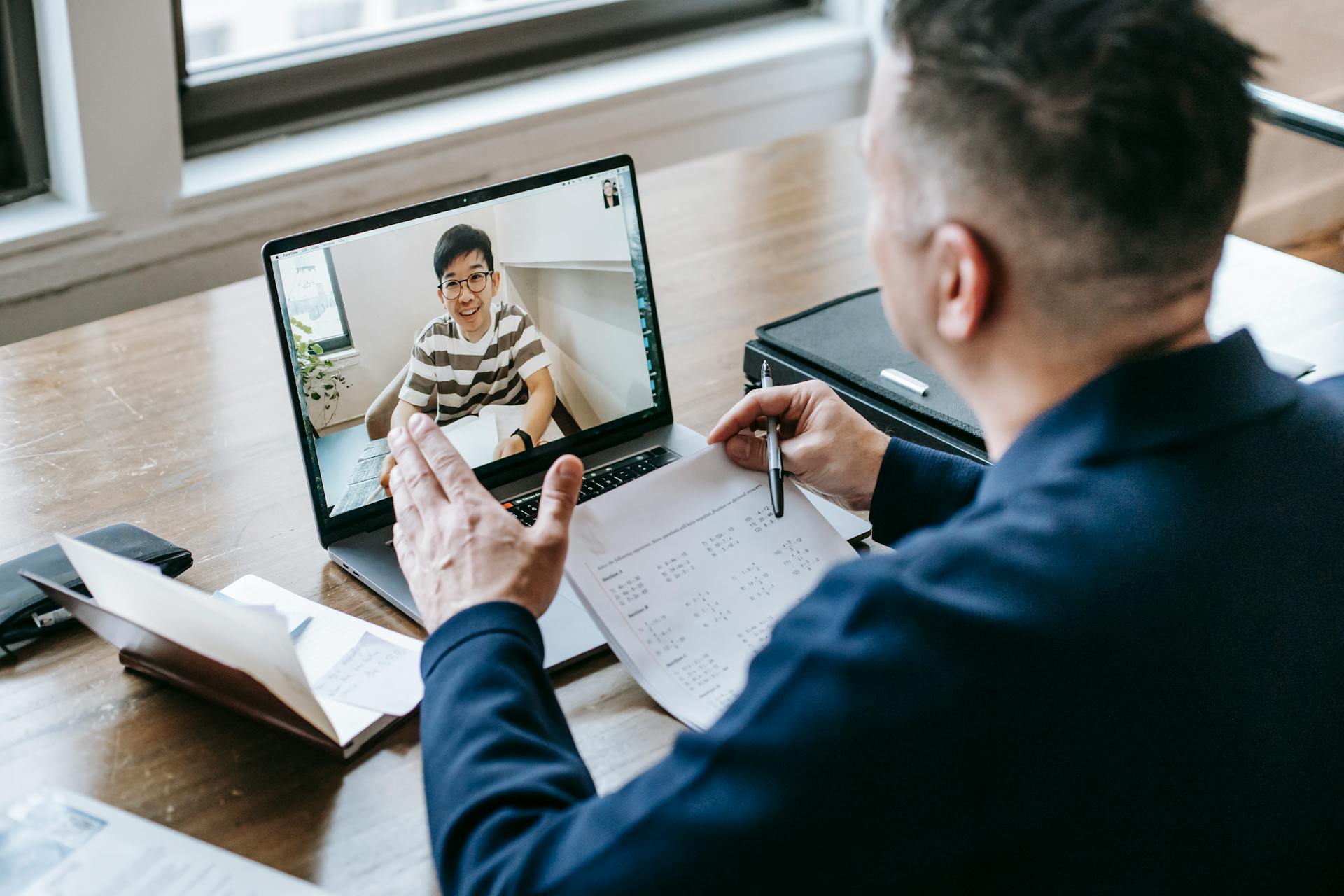
One of the significant advantages of real-time feedback is its ability to help educators quickly identify and address learning gaps. Instant feedback allows teachers to pinpoint areas where students are struggling and adjust their teaching strategies accordingly. Research supports the notion that immediate feedback can lead to improved learning outcomes. For example, studies have demonstrated that students who receive timely feedback perform better on assessments compared to those who receive feedback after a delay.
Real-time feedback also enhances adaptive learning by enabling personalized educational experiences. With the help of AI and analytics, educators can provide tailored feedback that addresses individual students’ needs. These technologies analyze students’ responses and learning patterns, allowing for customized recommendations and adjustments in real time. This adaptability ensures that students receive support that is specifically geared towards their unique learning requirements, promoting a more effective and individualized educational experience.
Strategies for Implementing Real-Time Feedback
To effectively implement real-time feedback, educators can leverage various digital platforms and tools. Applications like Google Classroom, Microsoft Teams, and Edmodo offer integrated feedback features that facilitate instant communication between students and teachers. When selecting tools, it is essential to choose those that align with the educational setting and cater to the specific needs of the classroom. Ensuring compatibility and ease of use can enhance the effectiveness of real-time feedback.
For educators to provide effective real-time feedback, it is crucial to strike a balance between quality and immediacy. Feedback should be clear, constructive, and actionable, helping students understand their errors and how to improve. Setting clear expectations and using structured feedback methods can ensure that responses are both timely and meaningful. Educators should also be mindful of their workload and prioritize feedback that adds the most value to students’ learning experiences.
Creating a supportive environment where students feel comfortable seeking and receiving feedback is essential. Encouraging open communication and fostering a culture of continuous improvement can help students view feedback as a valuable tool for growth rather than criticism. Establishing a feedback loop, where students regularly receive and act on feedback, can enhance their learning experience and encourage ongoing participation.
Challenges and Considerations
Implementing real-time feedback can be hindered by technological limitations, such as inadequate internet connectivity or incompatible software. To overcome these challenges, educators can invest in reliable technology and ensure that all students have access to necessary tools. Additionally, having contingency plans for technical issues can help minimize disruptions and maintain the effectiveness of feedback mechanisms.
Providing consistent real-time feedback requires effective time management. Educators must balance the demands of real-time interactions with their other responsibilities, such as lesson planning and grading. Prioritizing tasks, using time management tools, and delegating where possible can help educators manage their workload while maintaining the quality of feedback.
While real-time feedback is valuable, it is essential to ensure that it remains constructive and supportive. Feedback should be designed to guide and motivate students, rather than discourage them. Techniques such as using positive reinforcement, focusing on specific areas for improvement, and providing actionable suggestions can help maintain the constructive nature of feedback.
Conclusion
Real-time feedback in virtual classrooms offers numerous benefits, including enhanced student engagement, promotion of active learning, and increased confidence. By facilitating quicker identification of learning gaps and supporting adaptive learning, real-time feedback contributes to improved educational outcomes.
As technology continues to advance, the role of real-time feedback in education is likely to evolve further. Innovations in digital tools and platforms will enhance the effectiveness of immediate feedback, making virtual learning environments even more dynamic and responsive.
Educators and institutions should embrace the power of real-time feedback to enhance virtual learning experiences. By integrating immediate feedback mechanisms and utilizing the right technologies, they can create more engaging, supportive, and effective educational environments for students.